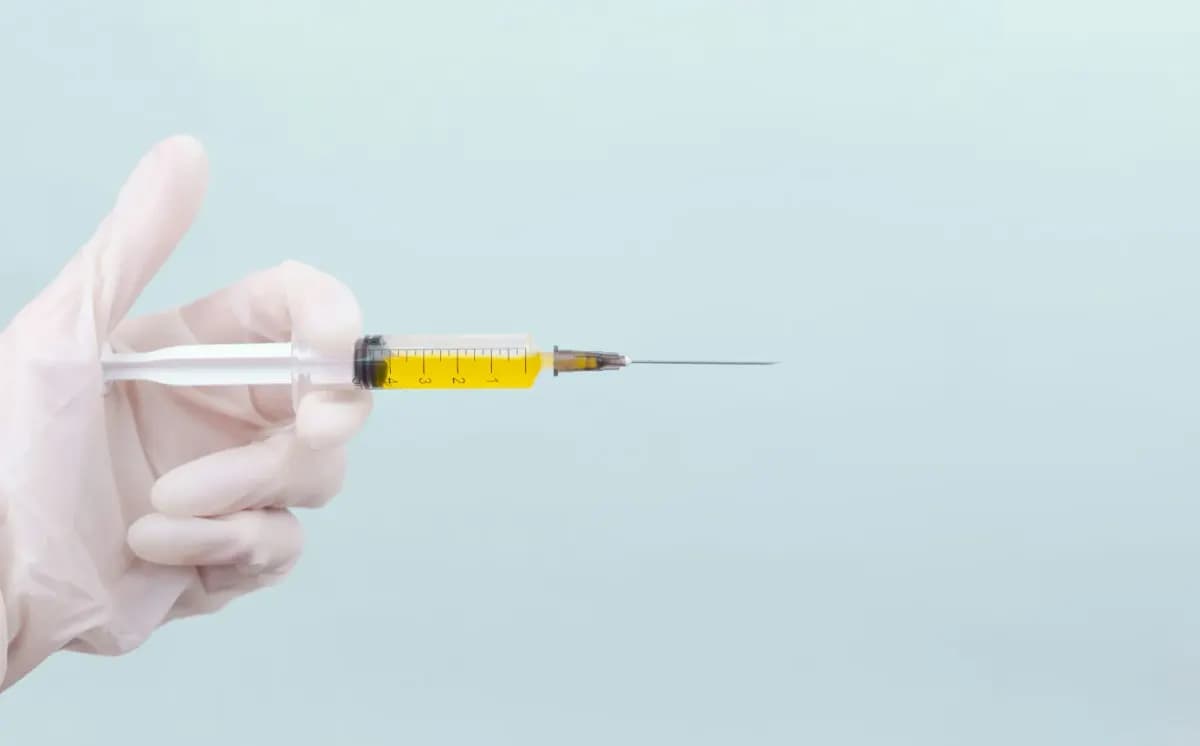
The Day Mama Kemi Lost 73 Birds: Why Newcastle Still Wipes Out Nigerian Farms
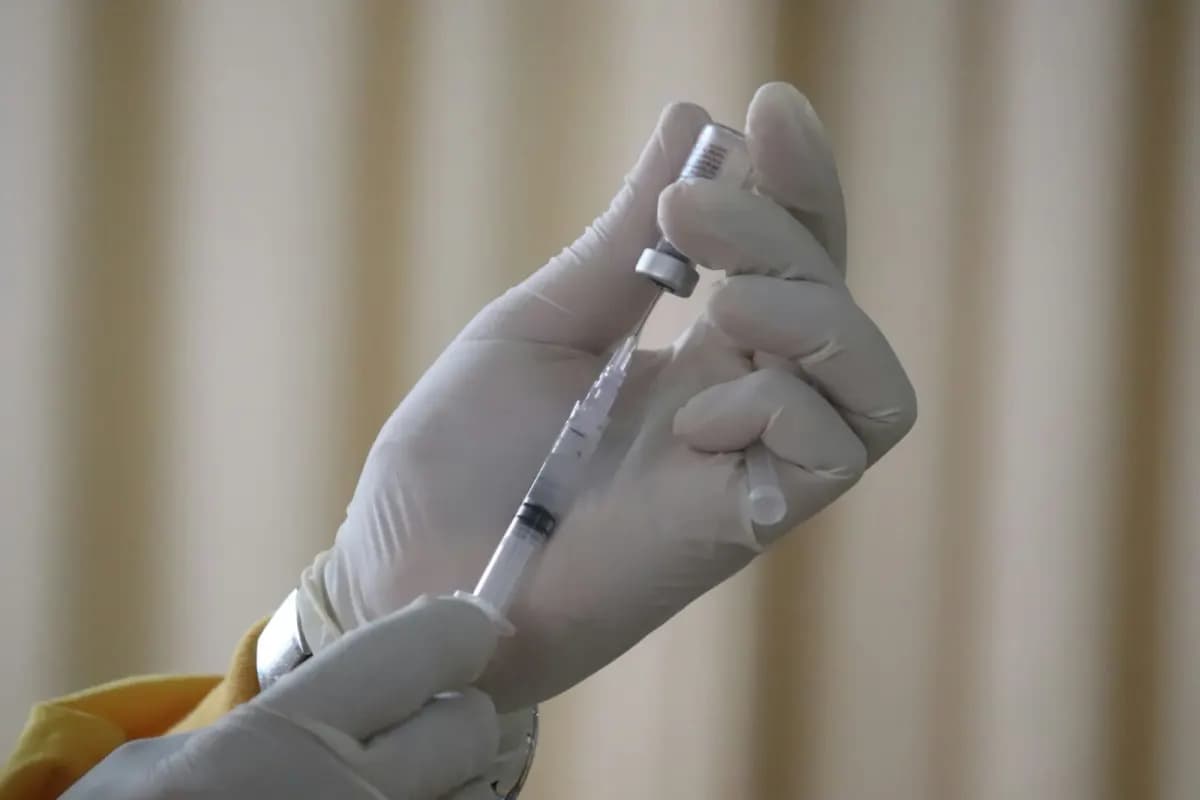
Sokoto, December. The harmattan dust was so thick that morning, Mama Kemi could barely see the end of her pen.
She had 240 broilers — six weeks old, three weeks from market. By the time the sun came up, 73 of them were dead. By the next evening, another 41. In three days, the woman who had built her business from one crate of eggs lost everything she had grown for a year.
If you have ever farmed in Nigeria, you already know what killed them. Newcastle disease. Or as the old farmers call it, "the disease that comes in the wind."
The signs Mama Kemi missed
Two days before the deaths started, the birds looked fine. But if you had watched them carefully — really watched them — you would have seen it.
- Two or three birds breathing with their mouths open, neck stretched out, gasping like they were drowning in air.
- A few greenish, watery droppings near the waterer.
- One bird walking sideways, head twisted as if she was looking at the sky.
- Egg production dropping in the layer section by 6% overnight — not enough to panic, just enough to ignore.
By the time the visible mortality starts, the virus has already spread to every bird in the pen. That is the cruelty of Newcastle. It does not knock — it kicks the door down.
"I thought it was the cold. I gave them glucose water. I added vitamins. By morning, my husband was helping me count the dead ones in a sack." — Mama Kemi, layer farmer, Sokoto
Why Newcastle still wins in 2026
The vaccine has existed since 1948. Nigeria has had access to it for decades. So why does Newcastle still wipe out farms every harmattan? The answer is uncomfortable but simple.
- Vaccination schedules get missed. A farmer vaccinates at day 7, then forgets the day-21 booster. The first dose alone is not enough.
- Cold chain breaks. The vaccine vial sits in a vendor's bag for hours under the sun. By the time it reaches the farm, it is dead.
- Biosecurity is treated as optional. The same boots that visited another farm yesterday walked into your pen today.
- No records. The farmer cannot remember which batch got vaccinated, which day, and when the next booster is due.
That last point is the silent killer. No be small wahala when you have three batches at different ages and you cannot remember which one is due for what.
How SmartFlok helps
SmartFlok keeps a digital vaccination calendar for every flock you onboard. The day a new batch arrives, the platform schedules every shot in the program — Newcastle La Sota at day 7, Gumboro at day 14, Newcastle booster at day 21, the lot — and sends you a reminder the morning each one is due. Miss a day? You see it in red the next time you open the app. That alone has saved several farms we work with from going the way of Mama Kemi.
What to do today, even if your birds look fine
Newcastle is not a "wait and see" disease. By the time you see it, you have already lost. Here is what you do this week:
- Confirm every flock is on a vaccination schedule. Write it down. Pin it on the wall. Better, keep it on your phone so it follows you everywhere.
- Buy your vaccine from a cold-chain-trusted source. If the vendor pulls a vial from a bag warm to the touch, walk away.
- Use a footbath at the entrance to every pen. Just a shallow basin with disinfectant. Cheap, lazy farmers laugh at it. Then they cry at sales day.
- Quarantine new birds for at least 14 days before mixing them with your existing flock.
- Watch your birds for 5 minutes every morning — not feeding, not cleaning, just watching. You will spot the first sick one days before you would have otherwise.
The Mama Kemi epilogue
Mama Kemi did not give up. She started again with 150 birds the following season, this time with a written vaccination schedule and a strict footbath rule. Eighteen months later, she had grown to 2,800 layers and was supplying eggs to two schools and a hotel in Sokoto.
She told us something that stuck. "The dead birds were not the most painful part. The painful part was knowing they died from something I could have prevented for ₦8,500."
That is the cost of a Newcastle vaccination program for 500 birds. Less than the price of one bag of layer feed today. Less than what you would lose in a single morning if it comes.
Want the tools the smart farmers in this story are using? SmartFlok gives you flock records, vaccination reminders, feed and finance tracking, plus access to the largest poultry marketplace in Nigeria — all from your phone.